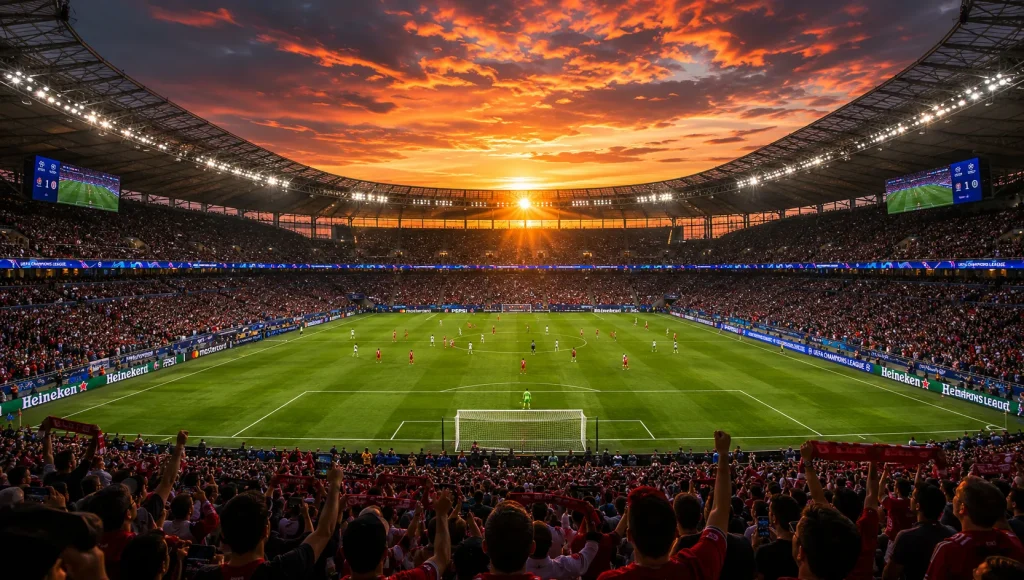
The 2026 World Cup will be a definitive turning point in football history—the first tournament in two decades where the narrative isn’t dominated by the twilight years of Lionel Messi and Cristiano Ronaldo. A new generation of superstars is ready to seize the spotlight, bringing a different style of play and a new level of global marketability that reflects the digital age of the sport.
The Era of the Power-Athlete
The prototype for the modern superstar has changed. Players like Erling Haaland and Kylian Mbappé combine world-class technical skill with elite-level athleticism. They are faster, stronger, and more durable than their predecessors. In 2026, the focus will be on these “power-athletes” who can sustain high-intensity sprints for 120 minutes without a drop in technical output. Their impact isn’t just tactical; it’s psychological, as their presence on the pitch forces opponents into deep, reactive defensive blocks out of fear of being beaten for pace.
This physicality is matched by a ruthless efficiency. These stars are trained from youth academies to optimize every movement, using biomechanical data to improve their shooting power and acceleration. The result is a breed of player that seems built in a laboratory, capable of producing moments of magic under extreme physical duress. Fans in 2026 will witness a level of athletic performance that sets a new benchmark for the human body in competitive sport.
The Midfield Metronomes
While the forwards grab the headlines, the 2026 tournament will be decided in the midfield. A new wave of versatile “number 8s”—players like Jude Bellingham and Jamal Musiala—are redefining the position. They aren’t just ball-winners or playmakers; they are complete footballers who can contribute in every phase of the game. Their ability to drive forward from midfield and arrive late in the box will be a key tactical trend. They possess the stamina of a defensive mid and the creative vision of a classic number 10, making them impossible to mark out of a game.
The Global Scouting Network
The path to superstardom is also changing. We are seeing more players from non-traditional footballing nations making the jump to elite European clubs at a young age. This globalized talent pool means that the “next big thing” could come from Tokyo, Toronto, or Lagos. The 2026 World Cup will be the ultimate platform for these “hidden gems” to announce themselves to the world. Advanced scouting algorithms now flag talent in obscure youth leagues, ensuring that no potential superstar goes unnoticed.
Brand Power and Social Impact
The superstars of 2026 are more than just athletes; they are global brands with massive social media followings. They use their platforms to advocate for social change, environmental sustainability, and mental health awareness. This “purpose-driven” superstardom resonates with a younger generation of fans, making the 2026 World Cup a culturally significant event that goes beyond sport. Their influence extends into fashion, music, and technology, making them the ultimate ambassadors for the global game.
The Importance of the Collective
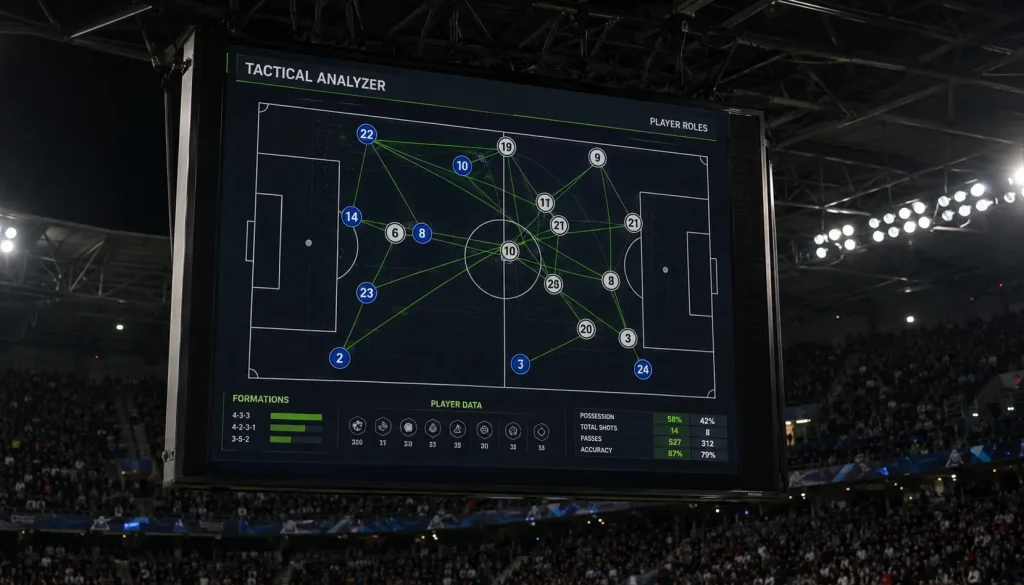
Despite the individual brilliance, the 2026 tournament will likely reinforce the importance of team cohesion. As the tactical gap closes, the nations that can integrate their superstars into a disciplined, collective system will be the ones that succeed. The “ego-driven” squads of the past are being replaced by cohesive units where every player understands their specific role within the data-driven game plan. The star is no longer the team; the team is the star.