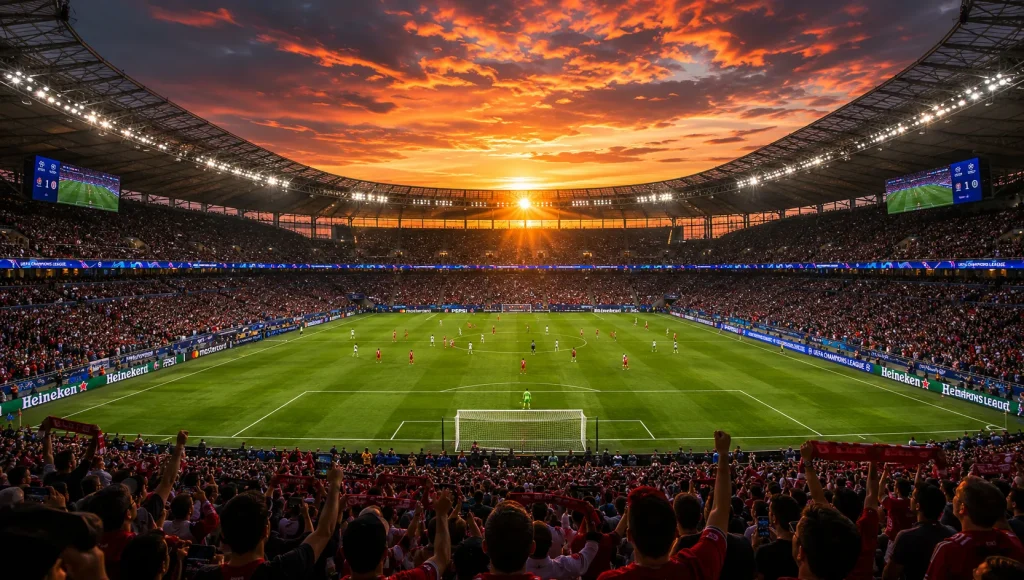
When the world descends on North America in 2026, they will find a fan culture that is vastly different from anything seen in Europe or South America. It is a fusion of traditional football passion and the high-production spectacle of North American sports entertainment. This “Fan Culture 2.0” will redefine how the World Cup is experienced, both in person and digitally, creating a template for all future global sporting events.
The “Stadium District” Concept
In North American cities, the stadium is often the centerpiece of a larger entertainment district. Fans don’t just show up for the 90 minutes of the match; they arrive hours early for “tailgating”—a communal festival of food, music, and social gathering. The 2026 World Cup will take this concept to a global level, with “Fan Zones” that are integrated into the fabric of the host cities, featuring interactive technology, local cultural showcases, and high-end culinary experiences. These districts become self-sustaining ecosystems of fandom, where supporters from different nations can mingle in a safe, vibrant environment.
Digital Immersion and the Metaverse
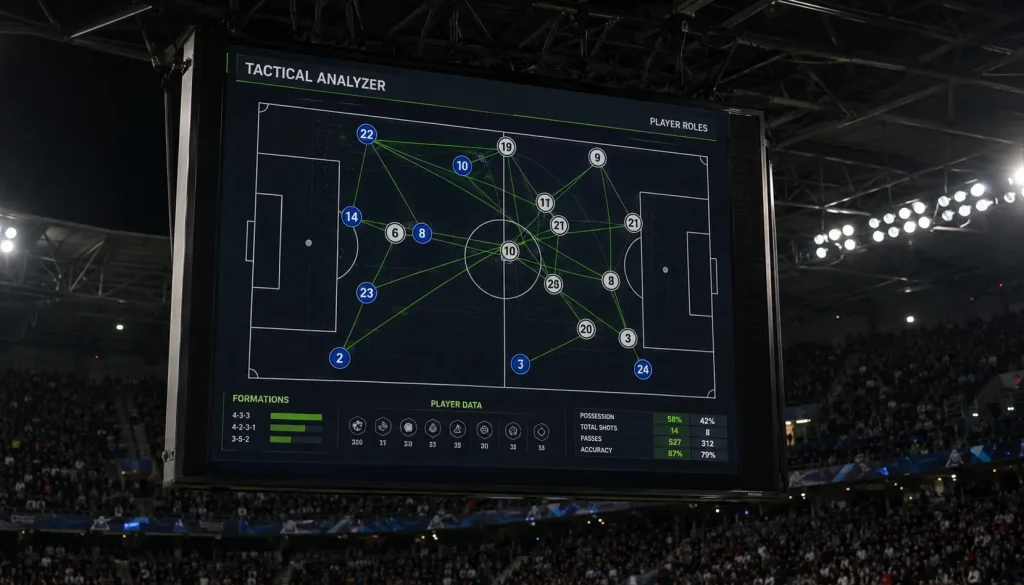
For the billions of fans who can’t attend in person, 2026 will be the most digitally immersive tournament ever. Augmented reality (AR) apps will allow fans to see live player stats overlaid on their screens in real-time, while virtual reality (VR) will offer “front-row” experiences from the comfort of their homes. The tournament will have a significant presence in the metaverse, with digital collectibles, virtual fan parks, and interactive games creating a parallel tournament experience. Social media integration will be seamless, allowing fans to share their reactions with a global audience instantly.
The Rise of the “Casual” Global Fan
The 2026 expansion and the North American location are designed to capture the “casual” fan. These are viewers who may not follow a specific club but are drawn to the spectacle and drama of the World Cup. The marketing of the tournament will focus on storytelling, human-interest angles, and the sheer scale of the event, turning it into a month-long cultural “moment” that competes with the Super Bowl or the Olympics. By lowering the barrier to entry through accessible content and entertainment-first broadcasting, FIFA aims to grow the global fanbase significantly.
Inclusivity and Diversity
One of the hallmarks of the 2026 bid was its commitment to diversity. The host cities are some of the most multicultural in the world, ensuring that every visiting nation will find a “home away from home” community. This diversity will be reflected in the food, music, and atmosphere at the stadiums, creating a truly global celebration of humanity through the lens of football. Special initiatives are being launched to ensure that fans from all socio-economic backgrounds can participate in the festivities.
The Sustainable Fan Journey
Fans in 2026 will also be more conscious of their environmental impact. Host cities are investing in “green” transportation options, and stadiums are implementing zero-waste initiatives. The “sustainable fan journey” will be a key part of the tournament’s branding, appealing to a generation that demands social and environmental responsibility from major sporting events. Carbon-neutral travel packages and digital ticketing are just a few ways the tournament is aiming for a greener future.